Your skin feels tight. Dry. More sensitive than usual. Maybe it suddenly reacts to products you've used for years. Your first reflex? More cream, more serum, more of everything. But the problem runs deeper than that. Often it isn't your skin that's falling short — it's your skin barrier that's damaged.
At Mavi Clinique, we see this pattern every week: women who do everything right when it comes to skincare, yet still struggle with skin complaints. In those cases, the skin barrier is almost always the missing piece of the puzzle. In this article, we explain what exactly your skin barrier does, how to recognise that it's weakened, and how to repair it for the long term.
What is the skin barrier and why is it so important?
Your skin barrier — also known as the stratum corneum — is the outermost layer of your epidermis. Picture a brick wall: the skin cells (corneocytes) are the bricks, and the lipids (ceramides, cholesterol, fatty acids) are the mortar. Together they form a protective shield that fulfils two essential functions.
First, the skin barrier locks moisture into your skin. Without an intact barrier, water evaporates from your skin more quickly — dermatologists call this transepidermal water loss (TEWL). Second, it protects against outside intruders: bacteria, pollution, UV damage and irritating substances. A healthy skin barrier is therefore literally your first line of defence.
How do you recognise a damaged skin barrier?
A weakened skin barrier doesn't always show up as dry skin. The symptoms are surprisingly varied and are often misinterpreted. Watch out for these signals: persistent dryness despite adequate hydration, a tight or burning feeling after cleansing, redness or sensitivity that suddenly gets worse, more frequent irritation from products you tolerated before, flaking or a rough texture, and — counterintuitively — excessive oil production.
That last point is important: when your skin barrier is damaged, your skin can overcompensate by producing more oil. Many women then think they have oily skin, when in fact it's dehydrated skin with a damaged barrier. The solution in that case isn't mattifying products, but barrier repair.
What damages your skin barrier?
The most common cause? Over-exfoliation. The popularity of AHAs, BHAs, retinol and scrubs has led many women to treat their skin far too aggressively on a structural basis. Exfoliation is valuable — but too much, too often or too strong damages exactly the layer you want to protect.
Other common causes include: water that's too hot when cleansing (it dissolves the lipid mortar), harsh foaming cleansers (they strip the natural oils), excessive use of vitamin C in high concentrations, seasonal changes (especially the transition from winter to spring), prolonged stress (cortisol disrupts lipid production), and too little sleep. At Mavi, we also take this into account in our skin analysis — we look not only at what you put on your skin, but also at your lifestyle.
How do you repair your skin barrier for the long term?
The core of barrier repair is simple: break down less, build up more. Above all, that means simplifying your routine. Temporarily stop using active ingredients such as retinol, AHA, BHA and vitamin C. Your skin needs rest. Use a mild, pH-neutral cleanser — not a foaming one. And hydrate with products that contain ceramides, niacinamide and hyaluronic acid. These ingredients directly support the repair of the lipid layer.
Don't forget your SPF either: a damaged barrier is extra sensitive to UV damage, which slows down the repair process. SPF 30+ is an absolute must, every day. Give your skin at least two to four weeks to recover before gradually reintroducing active ingredients.
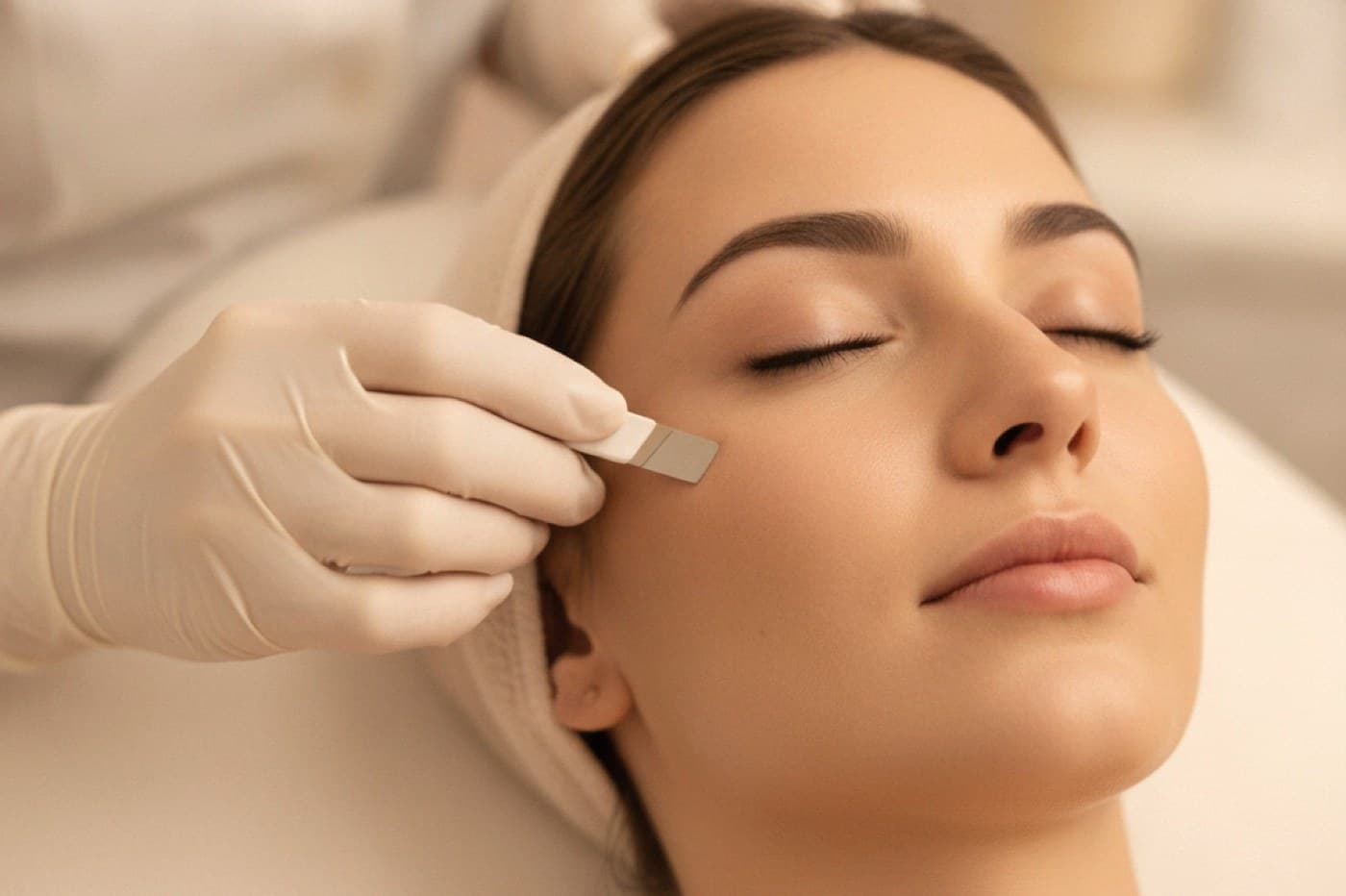
Professional treatments can speed up this process. At Mavi, we use LED light therapy to stimulate the skin's cellular repair function without stressing it. Red light reduces inflammation and activates fibroblast activity — exactly what a damaged barrier needs. In some cases, we combine this with our maintenance programme, which focuses on long-term skin health without aggressive interventions.
Repairing your skin barrier: patience is key
One thing we always emphasise at Mavi Clinique: barrier repair takes patience. Your skin needs four to six weeks to fully renew itself. During that period, you'll notice that your skin becomes calmer, less reactive, and that hydration is better retained. It's not a dramatic transformation — it's subtle, but fundamental.
The best investment you can make in your skin isn't the newest serum or the most advanced treatment. It's a healthy barrier as your foundation. Everything you do afterwards — from LED therapy to collagen building — works better on skin whose own protection is in order. Results may vary from person to person.
Wondering whether your skin barrier is damaged? Book a free skin consultation at Mavi Clinique. We analyse your skin, discuss your current routine, and draw up a repair plan tailored to your situation. No sales pitch — just honest advice.