Collagen. You read about it on creams, in supplements, in ads for anti-ageing treatments. It is sold as the magic word for youthful skin. But what does collagen actually do in your skin? And is it true that a pot of cream or a collagen drink can repair your skin from within? At Mavi Clinique, we prefer to start with the science rather than the promise.
In this article, we explain what collagen is, what role it plays in your skin structure, why it declines over the years and — most importantly — what you can realistically do about it. No hype, just an honest picture.
What exactly is collagen?
Collagen is the most abundant protein in your body — it makes up around 30% of all your proteins. You find it in your bones, tendons, cartilage and blood vessels, but also in large amounts in your skin. In the dermis, the middle skin layer, collagen fibres form a strong network that gives your skin structure, firmness and elasticity. Picture it as the mattress beneath your skin: a dense, supportive framework that holds everything in place.
Collagen never works alone. It forms a team with elastin — the protein that lets your skin spring back — and hyaluronic acid, which holds moisture. Together they determine how firm, supple and plump your skin looks. When the collagen network is strong and intact, your skin looks young and taut. When it weakens, wrinkles, sagging and loss of volume appear.
Why collagen declines over the years
From around the age of 25, your body starts producing less collagen — on average about 1% less per year. That sounds subtle, but over a decade it adds up. On top of that, existing collagen is slowly broken down by enzymes called collagenase, and this breakdown speeds up under the influence of external factors.
The biggest culprit is UV radiation: sunlight activates the enzymes that break down collagen and is responsible for a large part of visible skin ageing. In addition, smoking, a sugar-rich diet (through a process called glycation), chronic stress and lack of sleep all play a role. The good news: many of these factors are within your own control.
Can you really rebuild collagen?
This is where the science parts ways with the marketing. Collagen in a cream does not reach the dermis — the molecules are simply too large to pass through the skin barrier. A collagen cream does hydrate your skin, but it does not build structural collagen. With collagen supplements too the evidence is mixed: your body breaks down collagen from food into individual amino acids and decides for itself where to use them — not necessarily in your face.
What does work is stimulating your own skin to produce more collagen. This can be done through proven ingredients such as retinol and vitamin C, which activate the fibroblasts — the collagen-producing cells. And it can be done through professional treatments that give the skin a controlled stimulus to renew itself. Results may vary from person to person.
How Mavi builds collagen structurally
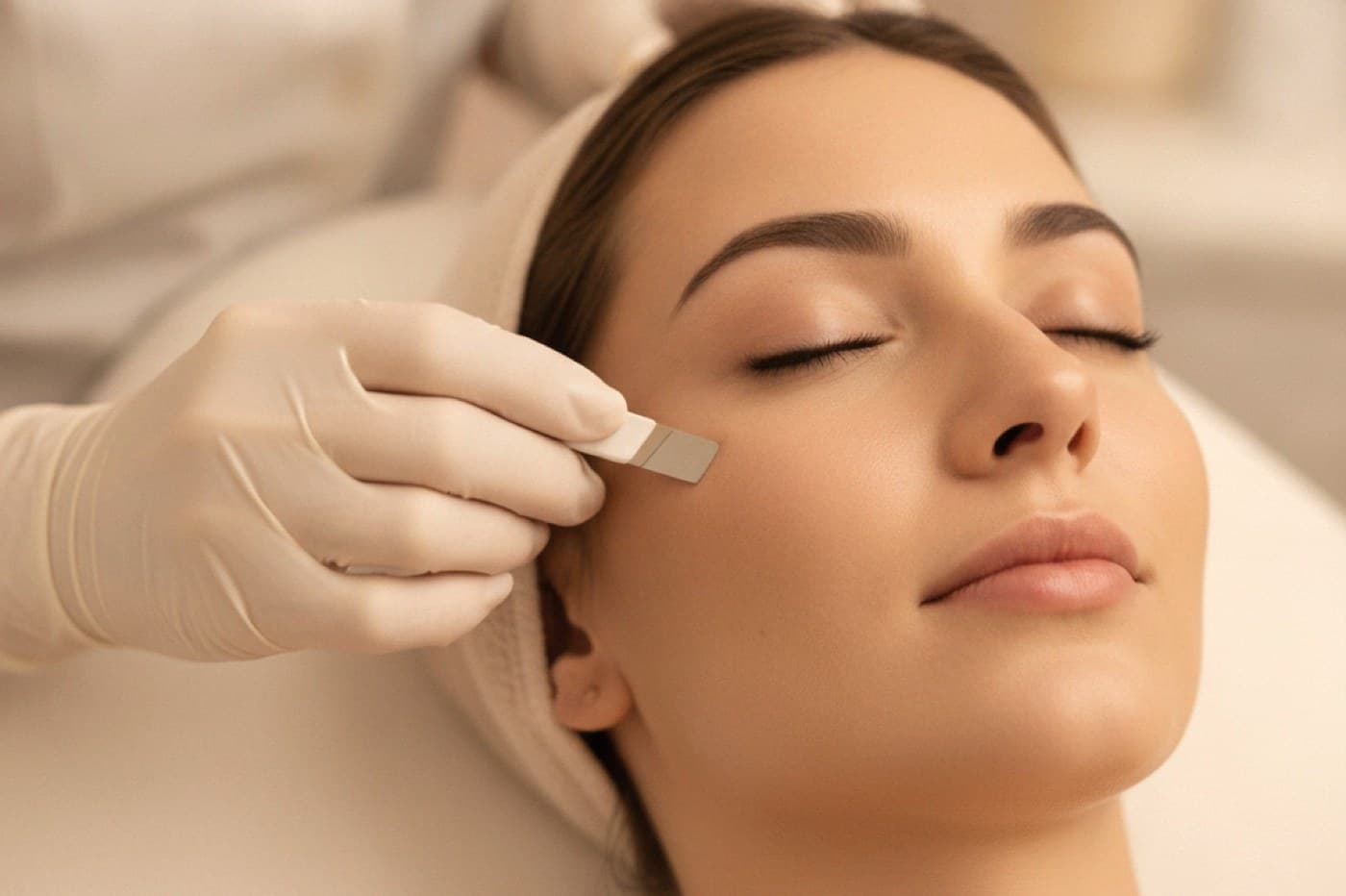
At Mavi Clinique, everything revolves around structural collagen building — not a temporary glow. Our HIFU treatment brings focused ultrasound energy deep into the skin, precisely at the level where collagen is produced. That heat stimulus sets off a natural repair process in which your skin produces new collagen over the following weeks. LED light therapy supports this by stimulating fibroblast activity and speeding up recovery.
The difference with a one-off treatment? We think in programmes. Collagen is not built up in a single session — it is a biological process that takes time and rhythm. In our phased collagen and skin-renewal programmes, we combine techniques into a plan, tailored to your skin and your goals. No fillers, no surgery — just your own collagen, reactivated.
Want to know how the collagen structure of your skin is doing and which approach suits you? Book a free skin consultation at Mavi Clinique in Brasschaat. We analyse your skin honestly and draw up a realistic plan — based on science, not on promises.